
2026-10-09 · Mike Schmidt
How Spring Snowmelt Triggers Sewage Backups in La Crosse
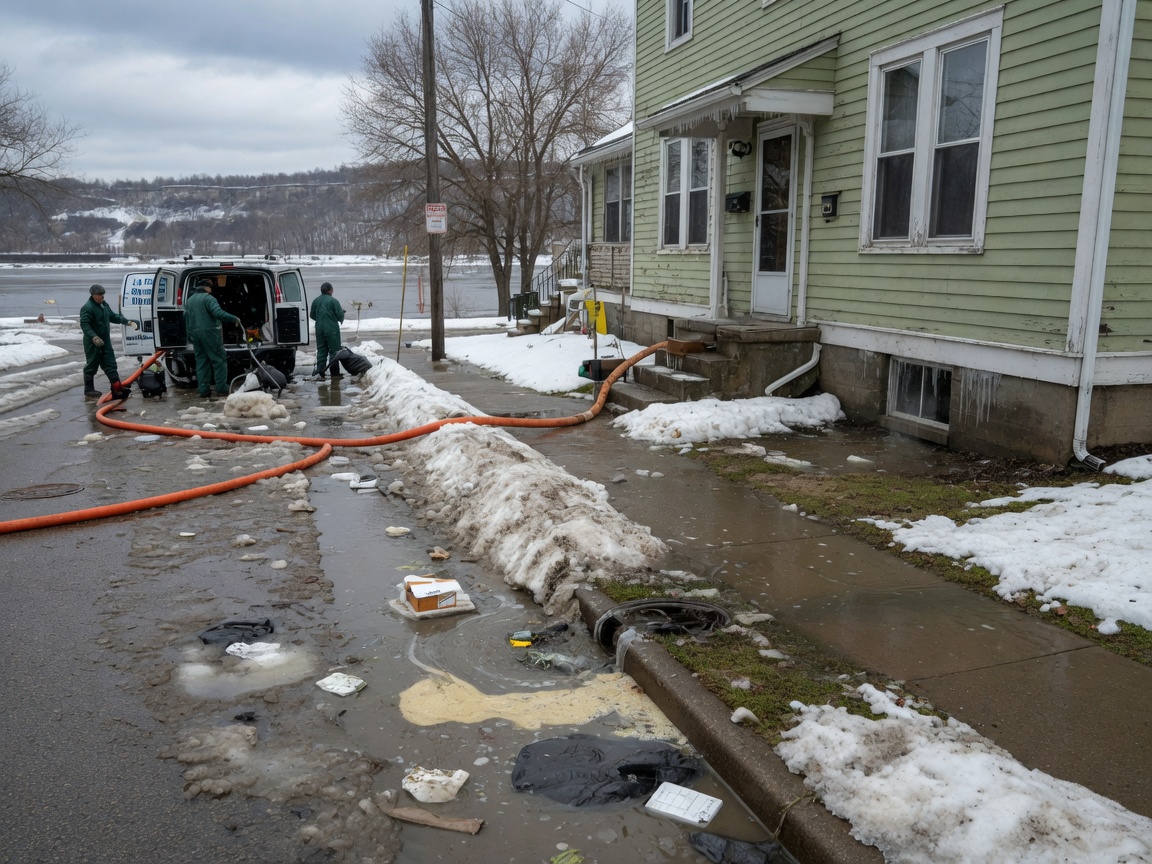
Spring snowmelt significantly triggers sewage backups in La Crosse by introducing a massive influx of water into our city's infrastructure, often overwhelming both private and municipal sewer systems. As temperatures rise after our cold winters, the accumulated snow across areas like the North Side, South Side, and Downtown rapidly thaws. This water saturates the ground, finds its way into compromised sewer lines through cracks and loose joints, and can even overload storm sewers that cross-connect with sanitary lines. The result is often a surge of wastewater seeking the path of least resistance, which frequently leads to raw sewage backing up into basements and lower levels of homes, especially those with older plumbing or located in low-lying areas near the Mississippi River or the La Crosse River.
The Mechanics of Snowmelt and Sewer Overload
La Crosse's humid continental climate means we experience substantial snowfall, which then melts as spring arrives. This isn't a gradual process; often, several inches or even a foot of snow can melt within a few days, especially if combined with spring rains. This rapid thawing leads to ground saturation, where the soil, already frozen or waterlogged, can't absorb any more moisture. The excess water then flows over the surface, finding its way into every available opening, including storm drains and, critically, cracks or weak points in sanitary sewer pipes. Older homes, common in areas like Downtown La Crosse, often have clay pipes that are more susceptible to root intrusion and cracking, creating direct pathways for snowmelt to enter the sewer system. This infiltration drastically increases the volume of flow within the pipes beyond their designed capacity.
When the municipal sewer system becomes overloaded, the pressure builds. This pressure can force wastewater backward through your home's lateral line, leading to a backup. The issue is compounded in areas where older infrastructure might have combined sewer systems, designed to carry both stormwater and sanitary waste. While La Crosse has made strides in separating these systems, some older sections might still be vulnerable. When a combined system is overwhelmed by snowmelt, it can't distinguish between stormwater and sewage, leading to a mixture of both backing up into properties. This scenario is particularly common in basements, which are often the lowest point in a home and thus the first to experience the effects of an overloaded sewer line. For immediate concerns, our team offers emergency sewage cleanup services.
Local Factors Amplifying the Risk in La Crosse
Several local conditions in La Crosse amplify the risk of sewage backups during spring snowmelt. The topography of our area, with Grandad Bluff overlooking the city and the proximity to the Mississippi and La Crosse Rivers, means varying elevations and soil types. Homes in lower-lying areas, particularly those closer to the riverfront or near Riverside Park, are more prone to groundwater issues and higher water tables, which can exacerbate the impact of snowmelt on sewer lines. The freeze-thaw cycles common in La Crosse County also contribute to pipe damage. As the ground freezes and thaws, it shifts, putting stress on underground pipes and creating or widening cracks. This makes it easier for snowmelt to infiltrate the sewer system once the thaw begins.
Furthermore, the age of housing stock in many La Crosse neighborhoods plays a significant role. Many homes in the North Side and South Side feature plumbing systems that are several decades old. These older systems might have deteriorated pipes, tree root intrusions, or improper connections that allow groundwater and snowmelt to seep directly into the sanitary sewer. Even in newer developments, improper grading around foundations can direct snowmelt towards basement walls and foundation drains, potentially overwhelming sump pumps or contributing to hydrostatic pressure that can force water into sewer lines. Understanding these local nuances is crucial for preventing and addressing backups effectively.
Recognizing the Signs and What to Do
Being aware of the signs of an impending or active sewage backup is critical, especially during the spring thaw. Keep an eye out for slow drains in multiple fixtures, gurgling sounds coming from toilets or drains, or the smell of sewage emanating from your basement or floor drains. If you notice water pooling in your yard near your sewer line, or if your neighbors are experiencing backups, these are also strong indicators of potential issues. The moment you suspect a sewage backup, it's important to act quickly to minimize damage and health risks. Avoid using any water in your home, including flushing toilets or running faucets, as this can worsen the backup.
If a backup occurs, prioritize safety. Raw sewage contains harmful bacteria, viruses, and other pathogens, making direct contact dangerous. Keep children and pets away from the affected area. Ventilate the space by opening windows if possible. While waiting for professional help, avoid trying to clean up the sewage yourself without proper protective gear. Our team specializes in sewage water removal and has the necessary equipment and expertise to safely and effectively address these hazardous situations. For more detailed guidance on immediate steps, you might find our article [What to Check After a Basement Sewage Backup in La Crosse](/blog/what-to-check-after-a-basement-sewage-backup-in-La-Crosse) helpful.
Proactive Measures for La Crosse Homeowners
While some factors are beyond individual control, La Crosse homeowners can take several proactive steps to reduce their risk of spring snowmelt-related sewage backups. Regular sewer line inspections, especially for homes with older plumbing or mature trees, can identify potential issues like root intrusion or cracks before they become critical. Consider installing a backwater valve on your main sewer line, which is designed to prevent sewage from flowing back into your home. This is particularly beneficial for homes in low-lying areas or those with a history of backups. Ensure your gutters and downspouts are clean and direct water at least 6 feet away from your foundation, preventing excessive water from saturating the soil directly around your home's sewer lateral.